DIY Guide: Installing Marine Safety Equipment on Your Boat


Understanding the Importance of Marine Safety Equipment
Boating is a thrilling experience, offering freedom and adventure on the open water. However, ensuring the safety of everyone on board should always be a top priority. Installing marine safety equipment is crucial to safeguarding lives in emergencies. This guide will walk you through the essential steps to equip your boat with important safety gear.

Essential Marine Safety Gear
Before setting sail, it's vital to have a comprehensive list of marine safety equipment. Key items include life jackets, fire extinguishers, distress signals, and first aid kits. Having these essentials on board can make a significant difference in emergency situations, potentially saving lives.
It's also important to consider additional safety measures like installing a bilge pump, which can help prevent flooding by removing unwanted water from the boat. Additionally, having a VHF radio ensures reliable communication in case of an emergency.
Installing Life Jackets and Personal Flotation Devices (PFDs)
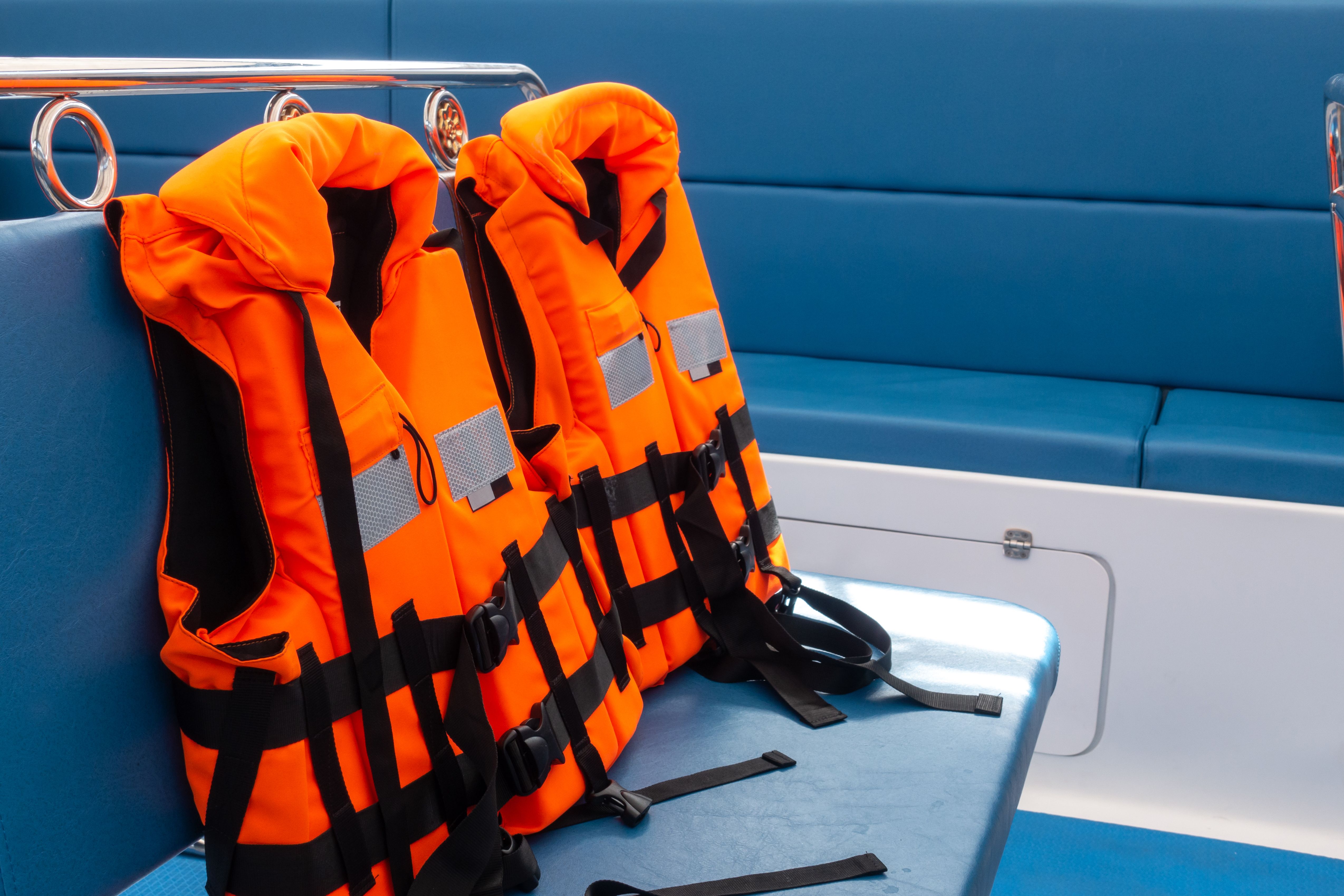
Life jackets are perhaps the most critical safety equipment on any boat. They should be readily accessible and in good condition. Ensure that you have the correct size and type for each passenger, and store them in a location that is easily reachable during an emergency.
Regularly inspect life jackets for any signs of wear and tear. Replace damaged or outdated PFDs to maintain optimal safety standards. It's also beneficial to conduct life jacket drills with your crew to ensure everyone knows how to properly wear them.
Fire Extinguisher Installation and Maintenance
Fires on boats can escalate rapidly, making fire extinguishers a crucial piece of safety equipment. Install them in strategic locations, such as near the engine compartment and galley, where fires are more likely to occur. Ensure they are easily accessible and regularly maintained.
Conduct routine checks to ensure fire extinguishers are fully charged and not expired. Familiarize yourself and your crew with the operation of different types of extinguishers, and practice using them safely and effectively.
Setting Up Distress Signals
Distress signals are vital for alerting nearby vessels or rescue teams during emergencies. Flares, smoke signals, and electronic beacons are some options available for boaters. Ensure you have a combination of these signals on board and that they are stored safely yet accessibly.
Regularly check expiration dates for flares and replace them as necessary. Understanding how to properly deploy each type of signal is crucial, so take the time to educate your crew on their usage.

First Aid Kit Accessibility
A well-stocked first aid kit is essential for addressing minor injuries that may occur while boating. Place the kit in a dry, easily accessible area, and regularly check its contents to ensure all supplies are up-to-date.
Consider taking a basic first aid course to equip yourself with the knowledge needed to handle medical emergencies effectively. This preparation can make a significant difference in managing injuries until professional help arrives.
Regular Inspections and Drills
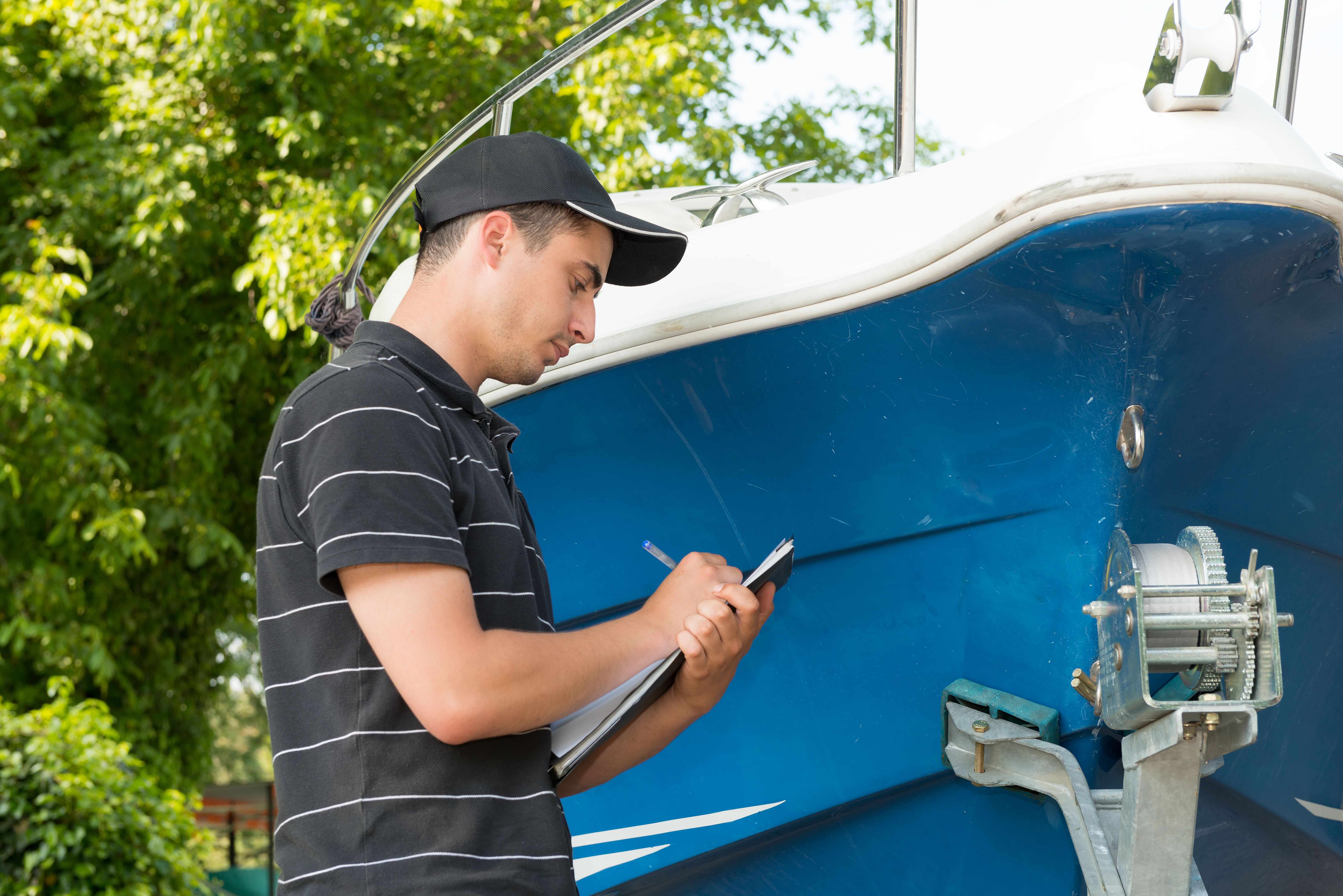
Beyond installation, regular inspections and safety drills are crucial for maintaining marine safety equipment readiness. Schedule periodic checks to ensure all equipment is functional and up-to-date. Engage your crew in emergency drills to ensure everyone knows their roles and responsibilities during emergencies.
By implementing these practices, you not only enhance the safety of your vessel but also foster a culture of preparedness among your crew and passengers.
Conclusion
Installing marine safety equipment is an essential task for any boat owner. By taking the time to equip your vessel with the necessary gear and practicing emergency procedures, you can ensure a safer boating experience for everyone on board. Prioritize safety, stay informed about the latest equipment standards, and enjoy the open waters with peace of mind.